
1 Killing site(s)
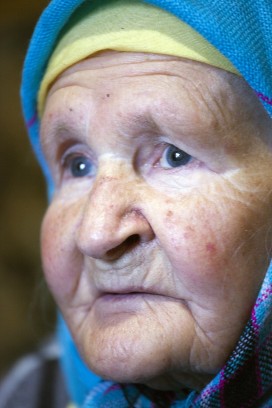
Lidia Sh., born in 1931: "We began seeing columns of Jews being brought here as early as August 1941. The Jews were on foot, guarded by policemen, and were generally heading toward Mostove and Vesele. Some columns would stop in the village for two or three nights before moving on, while others simply passed through.
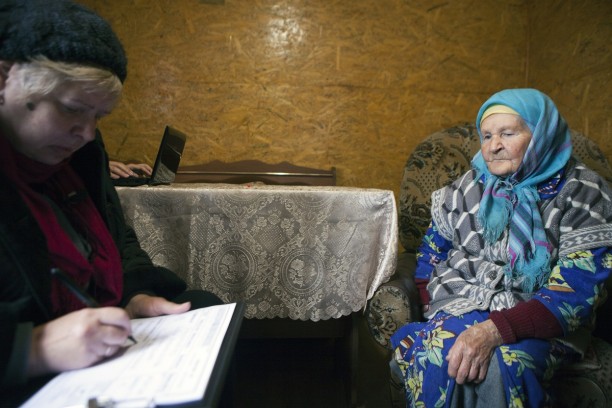
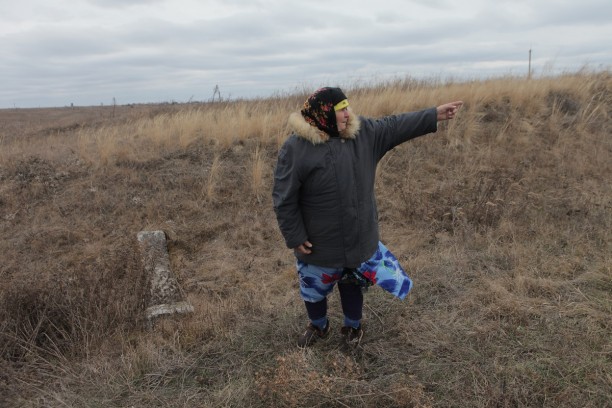
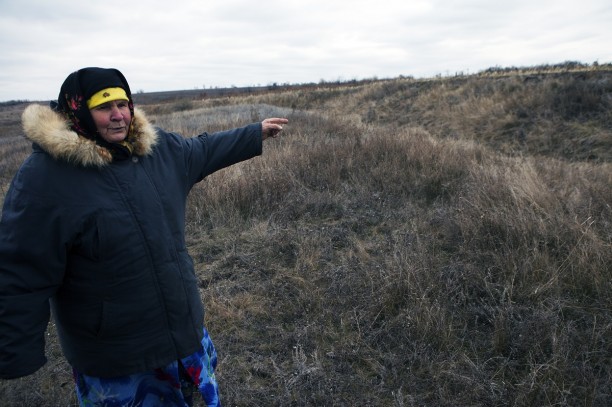
One summer day, I saw a column that stopped on a hill to rest. A Romanian gendarme suddenly arrived. He saw a Jewish man who was praying and lamenting his fate. He approached him and struck him on the head with a saber. Blood spurted out and the man tried to protect his head with his hand. Many villagers witnessed this scene and were shocked. Then the Romanian said that any Jews who felt too tired to continue walking should move to the side of the road, near the sunflower field, and wait for a truck that would come to pick them up. About thirty Jews stepped aside as instructed, and the column left without them. Sometime later, once the column had moved far enough away, the Jews were taken by about eight policemen to an anti-tank ditch and shot. Then the policemen ordered the villagers to bring hemp, and the bodies were burned. The smell was horrible. My mother told us to go to my aunt’s house, which was further from the pit, because the smoke was suffocating." (Testimony N°YIU1297U, interviewed in Mykhailivka, on November 10, 2011)
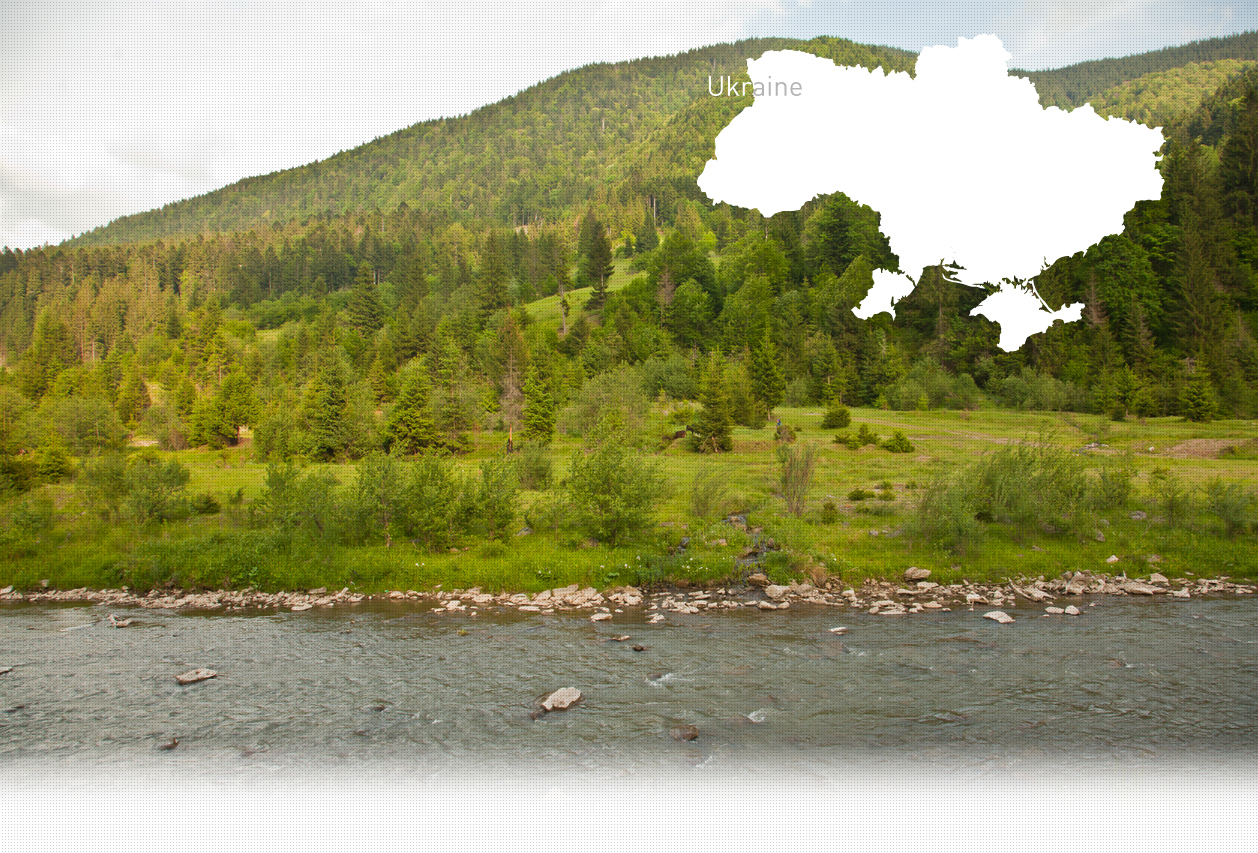
The village of Novomykolaivka, located approximately 23 km (14,2 mi) from Voznesensk in the Mykolaiv region, was originally a small hamlet called Greki. The village was inhabited by Ukrainians and ethnic German settlers (Volksdeutsche). No census records indicate the presence of a Jewish population in the village. Local witnesses confirmed that there were no Jews living in the village before World War II.
The hamlet of Greki was renamed Novomykolaivka by the Soviet authorities in 1945.
Novomykolaivka was occupied by German troops in August 1941 and subsequently placed under Romanian administration. The German colonists from the village of Novomykolaivka, as well as those from surrounding settlements, were shortly afterward relocated to the neighboring village of Mykhailivka.
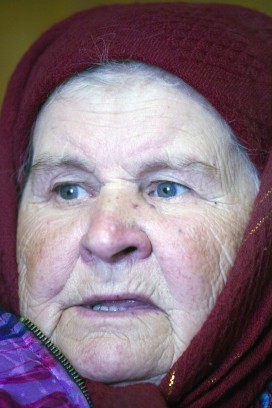
According to witnesses interviewed by Yahad–In Unum, several columns of Jews passed through the village during the war. Sofia P., born in 1927, recalled seeing multiple groups composed of men, women, and children moving from the direction of Odesa toward Hradivka. These columns were escorted by policemen and Romanian forces.
Lidia Sh., born in 1931, also witnessed several such columns passing through Novomykolaivka. According to her account, these events occurred as early as the summer of 1941. The Jews were first transported by train to the Kolosivka railway station, from where they were forced to proceed on foot; this suggests that they may have been Bessarabian Jews expelled from their home region. Lidia recalled that when passing through Novomykolaivka, these groups were held for two to three days in the village club under the guard of local policemen before being marched onward to Vesele. During this time, villagers were permitted to bring them food. According to Lidia, the Jews believed they were being taken to work in factories and therefore did not attempt to flee. During these forced marches, Jews who were too weak to keep pace were killed along the road, and their bodies were placed on a cart that followed the column.
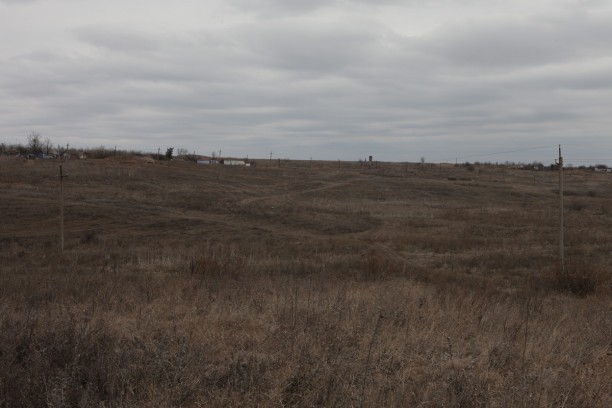
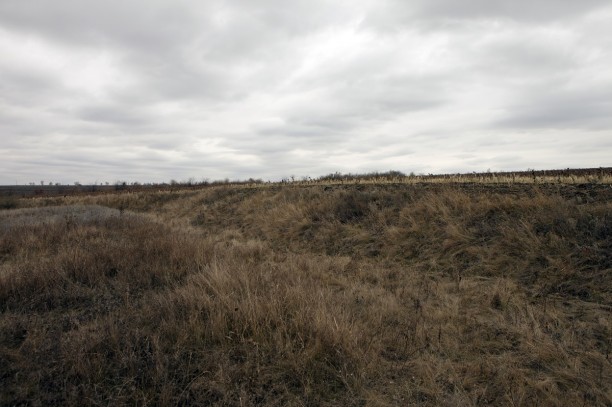
On one occasion in the summer period, Lidia witnessed a column of approximately 300 Jews stopping to rest on a hill by the roadside. A Romanian officer ordered the Jews who were unable to continue to step aside and wait for a truck that would allegedly collect them. Approximately 30 Jews remained, while the main column continued toward Mostove.These 30 individuals were then escorted by roughly eight local policemen to an anti-tank ditch near sunflower fields and shot. The policemen subsequently forced local residents to bring hemp, which was used to cover the bodies. One to two hours after the shooting, the victims’ bodies were set on fire.
To date, no memorial has been established at the killing site to commemorate the victims.
Do you have additional information regarding a village that you would like to share with Yahad ?
Please contact us at contact@yahadinunum.org
or by calling Yahad – In Unum at +33 (0) 1 53 20 13 17