

2 Killing site(s)
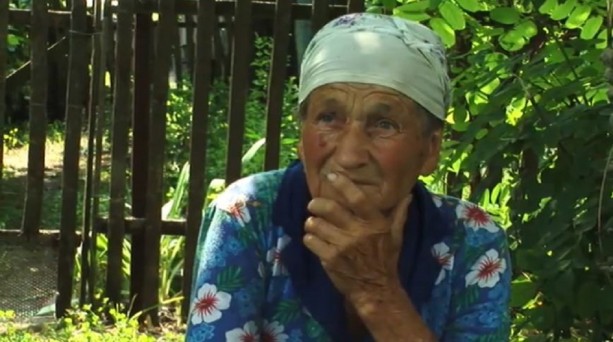
Kateryna, born in 1937: "Several Jewish families lived in the village before the war. Among them was the school principal, Lev Abramovich Fishman, who was Jewish. His wife, Niusia Zakharovna, was also Jewish and originally from Odesa; she served as a teacher at the same school. My grandmother cooked for them, and they often came to our house, so I knew them well. They had two little boys.
Before the Germans arrived, the principal left for the front. His family remained behind, including his wife, his mother-in-law, and his two boys. Although they did not have typically Jewish physical features, some evil people must have denounced them, and they were shot in a ravine. The shooting was carried out by Volksdeutsche police from Porichchya, which was a German colony. They wore black uniforms and we called them "the black shirts." They came from their village specifically to kill the Jews. They also murdered several Ukrainians, including Maria Tyzhniova, who had been killed for refusing to hand over her livestock. All the victims were buried together in a single mass grave." (Testimony N°YIU339/340U, interviewed Lidiivka, on July 22, 2006)
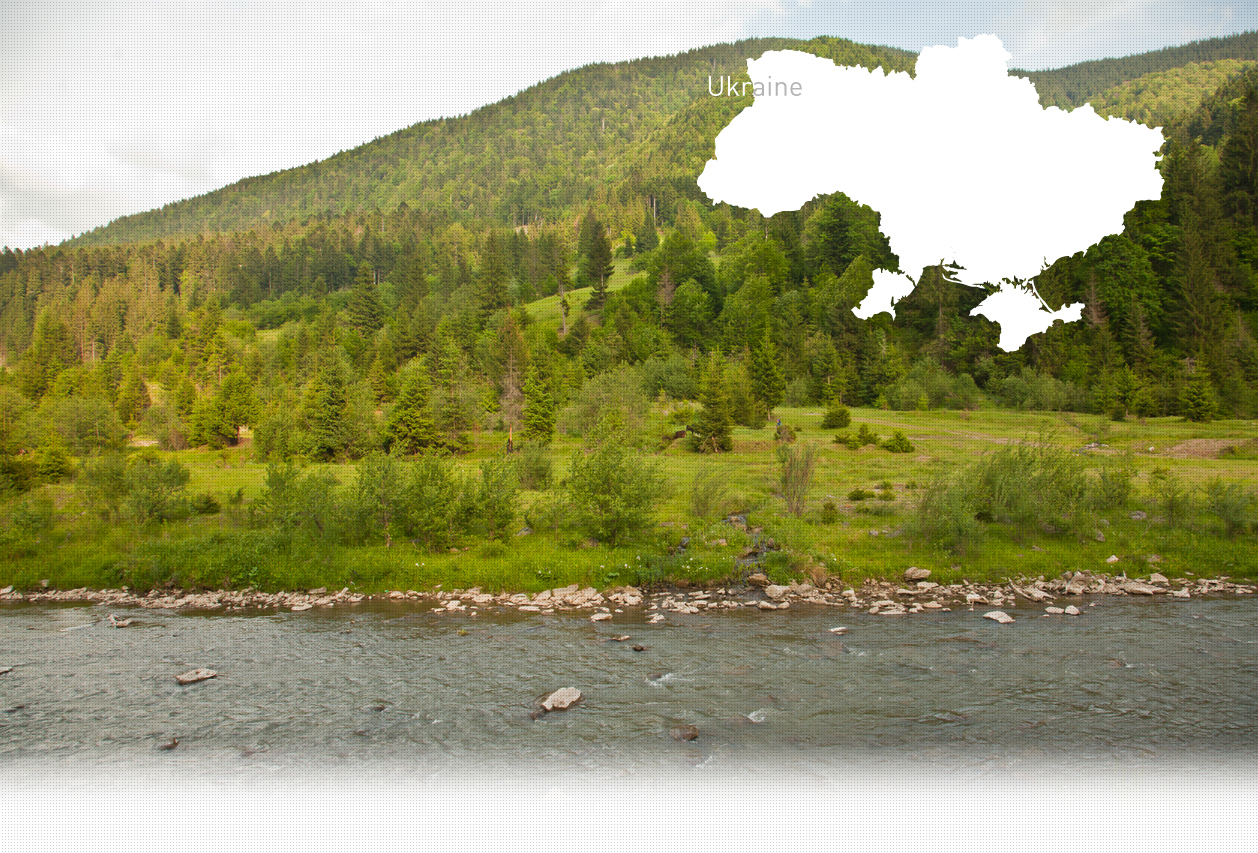
Lidiivka is a village located in the Mykolaiv region of southern Ukraine, approximately 36 km (22mi) from the town of Voznesensk. The village was founded in the late 19th century during the agricultural colonization of the southern steppe territories. Until 1917, Lidiivka formed part of the Russian Empire. Following the establishment of Soviet rule, it became part of the Ukrainian Soviet Socialist Republic in 1922, incorporated within the Union of Soviet Socialist Republics (USSR).
Local witnesses recall at least two Jewish families who lived in the village before the war. These included the family of the school principal, Lev Abramovitch Hurtovyi (also referred to as Fishman by a local witness). His household consisted of his mother-in-law, born in 1898, his wife Niusia Zakharovna, born in 1917, and their two sons, Alexandre and Semen, born in 1938 and 1940, respectively. The second family was that of Armer, the director of the kolkhoz (collective farm). According to witnesses’ recollections, Armer had been sent from Odesa to Lidiivka to manage the collective farm. He was regarded as a highly skilled specialist whose leadership allowed the kolkhoz to flourish. When the war broke out, the Jewish men were mobilized into the Red Army by the Soviet authorities, leaving their families behind in the village.
Lidiivka, like other localities in the district, was occupied by German troops in mid-August 1941 and subsequently transferred to Romanian administration.
According to sources, during the occupation period, two shootings were conducted in Lidiivka, including the one on August 27, 1941, when 8 local residents were killed by German colonists, and the second one conducted on March 5, 1942, when 270 Jews from Odesa were killed.
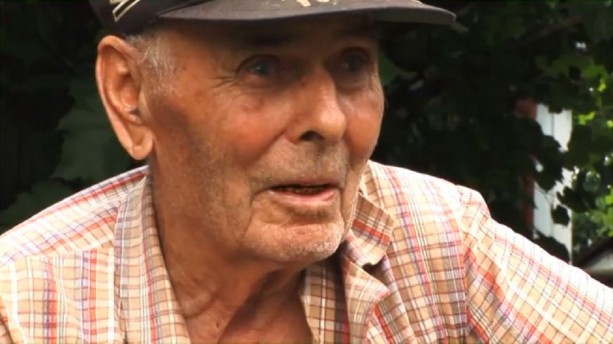
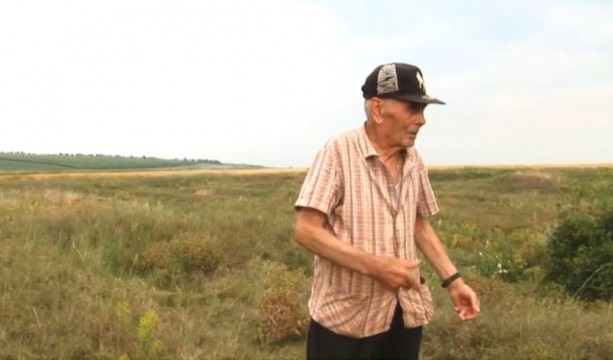
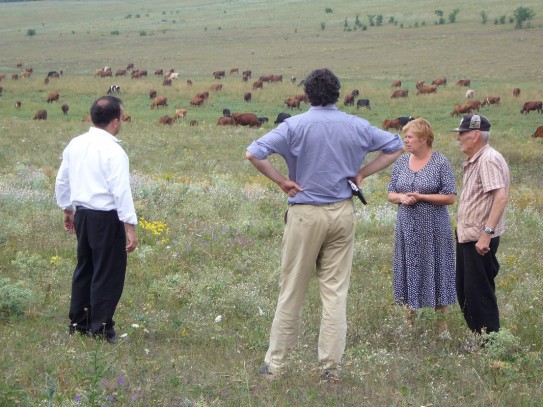
Witnesses interviewed by Yahad-In Unum confirm this information and provide further details. According to Mykola T., who was born in 1920, in August 1941, eight people including four Jews and four Ukrainians were shot in Lidiivka by Volksdeutsche from the neighboring German colony of Rastadt, which is now known as Porichchya. The victims included four members of the family of the school principal Lev Abramovitch Hurtovyi, including his wife Niusia Zakharovna, his mother-in-law, and his two sons, Alexandre and Semen. Four Ukrainians were also killed during the same Aktion, including Maria Tyzhniova, who was the mother of Mykola T. The victims were taken to the outskirts of the village and shot in a cattle pit within a clay ravine. All eight individuals were buried together in this single location.
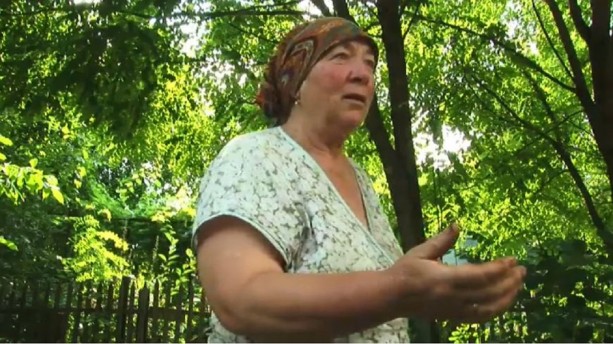
Beyond the killing of local residents, Lidiivka’s role in the Holocaust was defined by its geography. Because the village sat on the main road linking Odesa to Bohdanivka, it became a transit point for thousands of other Jews during the occupation. This route, passing through Mostove and Domanivka, would later be named the “road of death” by Jewish survivors, as deportees from Odesa were forced to march along this path for several weeks toward the Bohdanivka camp. Numerous individuals perished from cold, hunger, and exhaustion, while others were killed during stops and mass shootings in the villages along the route. Witnesses interviewed by Yahad-In Unum observed various columns passing through Lidiivka. Olena, born in 1925, and Kateryna, born in 1937, recall one specific group of Jews that stopped in the village for the night. These individuals were held in stables intended for foals and calves and were guarded by local police from the Romanian gendarmerie. Olena attempted to bring them food, for which she was given a skirt in exchange, and she noted that the prisoners were so tightly packed that they could not lie down.
This group remained in the stables for only a night or two before those deemed strong enough were forced onward toward Bohdanivka. Others died in the stables or were shot on the spot because they could no longer walk. Their bodies were transported by policemen to a clay ravine for burial. According to available sources, 270 Jews were shot in Lidiivka on March 5, 1942. This total likely includes both those killed in mass shooting and those who had died or were shot within the village before being moved to the burial site. Witness accounts provide additional details of this period. Kateryna recalls that on the night of a shooting, a wounded Jewish boy sought refuge in her family’s house, but he was quickly seized by several policemen and dragged outside to be killed. His body was removed by the following morning, likely by sled or cart. Another witness, Vira D., born in 1935, saw numerous carts filled with bodies passing her house toward the ravine, where a trench had been dug to serve as a mass grave. According to the recollections of Mykola T., a number of Jews were shot directly at the clay ravine, while many others who died from exhaustion or were shot in the village were also transported there and interred. Local witnesses state that after the Soviet return, the pit was repurposed to dispose of dead livestock from the collective farm, covering the remains of the Jewish victims.
Kateryna recalls that when Lev Abramovitch returned from the army, he went to see her grandparents, who informed him that his entire family had been killed. He subsequently took steps to have a commemorative monument erected in the park in the center of the village. This monument lists the names of the eight victims killed in August 1941, including his own family members and their Ukrainian neighbors. Despite this memorial in the village center, the remains of the victims at the two specific killing sites were never moved, and no markers or memorials have been placed directly at those locations.
Do you have additional information regarding a village that you would like to share with Yahad ?
Please contact us at contact@yahadinunum.org
or by calling Yahad – In Unum at +33 (0) 1 53 20 13 17