1 Sitio(s) de ejecución
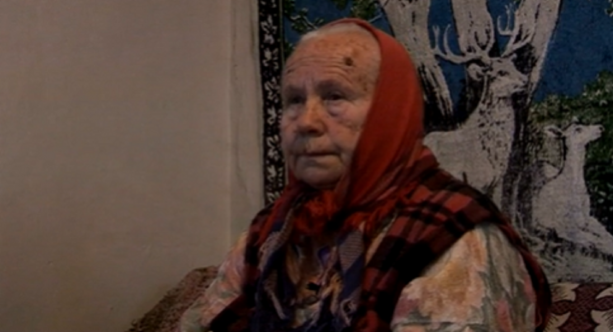
Maria T., born in 1925 : "Before the shootings, the Germans had a large square pit dug. The pit was deep, it had been excavated using an excavator that the Germans requisitioned from the kolkhoz. The roundups and shootings lasted about a week. Throughout that entire time, the pit remained open. Shortly after the shootings, the Germans left the town. As soon as they departed, the villagers came to cover it with shovels. They did this because the smell was unbearable." (Testimony N°YIU415U, interviewed in Polohy, on 03/01/2007)
" […] On October 5, 1941, the German army entered Pologi [today Polohy]. First and foremost, the German commander named Schmidt ordered the Jewish population to register at the police station and to wear armbands with a red star on their left arm. They were forbidden from holding positions of responsibility, engaging in trade, or leaving the town. […]
In December 1941, I no longer remember the exact date, a mass shooting of the Pologi population was perpetrated. It unfolded as follows: the Jewish population was not ordered to gather voluntarily; instead, the police went to Jewish homes during the night and forced the Jews to go to a barn in a cattle yard. In the morning, they were taken 1.5 to 2 kilometers out of town to a trench. There, they were ordered to undress and remain only in their underwear. They were people of various ages: elderly people, women, and children, as well as people of different occupations. They were all lined up alongside the trench and shot with submachine guns. The bodies fell into the trench and remained unburied. Almost all of the local police personnel of Pologi were present at the shooting and participated in it.
After that shooting, mass executions continued daily. People were seized in the streets or taken from their homes without any semblance of a trial, and then taken to the trench, where they were shot. […]
Today, September 24, 1943, I was present at a meeting of the commission of forensic examiners. We initially estimated that there were more than 500 bodies in the trench; the upper layers were wearing their regular clothes and were apparently of various nationalities—Russian, Ukrainian…—while the lower layer consisted mostly of Jews wearing only their underwear.… The bodies that were discovered had been buried between 1941 and the summer of 1943. […] " [Deposition of the witness Pleten Aleksandr Kuzmich, born in 1922, drawn by State Extraordinary Soviet Commission (ChGK) on September 24, 1943, pp.64-65; GARF 7021-61-25/Copy USHMM RG.22-002M]
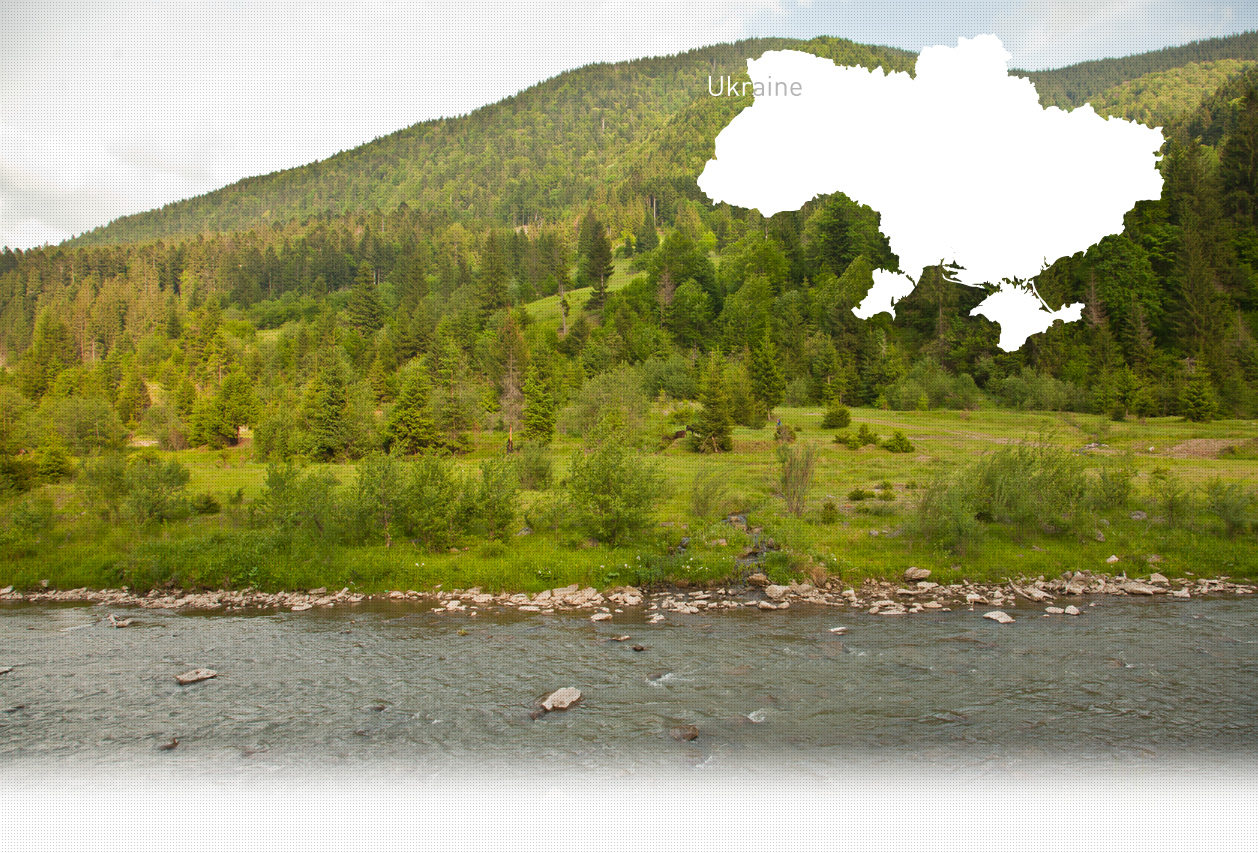
Polohy is a town in the Zaporizhzhia region and serves as the administrative center of the Polohy district. The town lies approximately 95 km (59 mi) north of Berdyansk and 100 km (62 mi) from Zaporizhzhia.
Polohy was established in 1887 as a direct result of infrastructure expansion, specifically following the construction of the railway line connecting Katerynoslav (Dnipro) to the port of Berdyansk. Unlike older, traditional shtetls of the Pale of Settlement, Polohy developed rapidly as an industrial railway junction and commercial market station rather than a historic agrarian community. Jewish residents began settling in Polohy at the turn of the 20th century, drawn by commercial opportunities linked to the expanding rail network.
During the 1920s and 1930s, local Jewish life adapted to Soviet socio-economic transformations and secularization policies. While traditional religious structures receded, Jewish residents integrated into local Soviet economic and administrative life, working across all economic spheres: trade, artisanal activities, logistics, and as representatives of the intelligentsia.
According to the 1939 Soviet Census, the Jewish population represented only 3.2% (416 individuals) of the total town population.
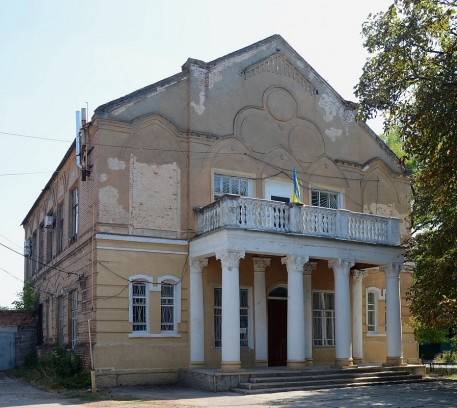
Polohy was occupied by German forces on October 5, 1941. Shortly thereafter, a German Kommandantur and a local police unit were established in the town. The German commander named Schmidt then ordered the Jewish population to register at the police station and to wear armbands with a red Star of David on their left arm. They were forbidden from holding positions of responsibility, engaging in trade, or leaving the town.
According to Soviet archival records, several hundred people in total were arrested and shot across the town of Polohy and surrounding villages throughout the occupation. This figure encompasses both the Jewish population and non-Jewish victims, including local communists, individuals deemed untrustworthy, and suspected criminals. Approximately 100 Jewish residents were also targeted specifically and arrested directly in their homes by German soldiers with the participation of local police and shot in December 1941.
Maria, born in 1925, and interviewed by Yahad - In Unum, recalled: "The Jews were arrested day and night, directly in their homes. When they were taken at night, they were in their underwear, barefoot." The Jews were brought in small groups to a location known as "Salotopka", a fat boiling facility. There, according to Maria's testimony, a large pit had been previously dug using an excavator requisitioned from the kolkhoz. It was in this pit that the Jews, including adults and children, were shot. Some were marched there on foot, others transported on carts under the guard of two German soldiers armed with submachine guns. The shootings lasted about a week, as the Germans continued to locate Jews in hiding. Shortly after the shooting, German soldiers left the town. Following their departure, local residents came together to fill in the pit.
Some historical accounts indicate that additional shootings of both Jewish and non-Jewish victims occurred at this same site over the subsequent months. Until May 1943, children from mixed marriages were separated from their non-Jewish mothers and either shot in Polohy or sent to Zaporizhzhia to be murdered.
¿Tiene información adicional con respecto a un pueblo que le gustaría compartir con Yahad?
Por favor contáctenos a contact@yahadinunum.org
o llamando a Yahad – In Unum at +33 (0) 1 53 20 13 17