

1 Sitio(s) de ejecución
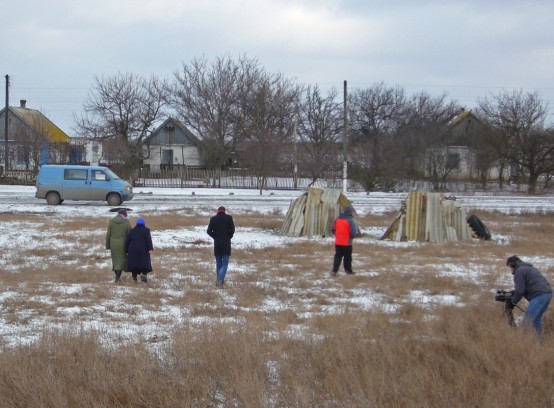
Tetiana F., born in 1938: "Before the war, there were many Jewish people in Krasnoselivka. When the war broke out, Jewish families tried to evacuate, but due to a lack of transport and means, very few succeeded. By the time the Germans occupied the village, many Jews remained here. One day, while I was at home, my mother came back exclaiming, 'My God, they are killing all the Jews!' We were horrified. My mother told me not to go outside, and I obeyed. We heard gunfire, it was dreadful. At that time, my uncle was at our house. In the afternoon, my mother saw policemen walking from house to house. She told my uncle to hide under the stove because the policemen were coming to requisition men to cover up the silo pit where the Jews had been killed. After the war, several Jewish men returned home and discovered that their families had been killed. In 1953 or 1954, an exhumation took place. I was there. Soldiers had cordoned off the area, and the Jewish men were able to recognize their loved ones' clothing, brooches, eyeglasses, and other personal items." (Testimony N°YIU398U, interviewed in Krasnoselivka, on December 30, 2006)
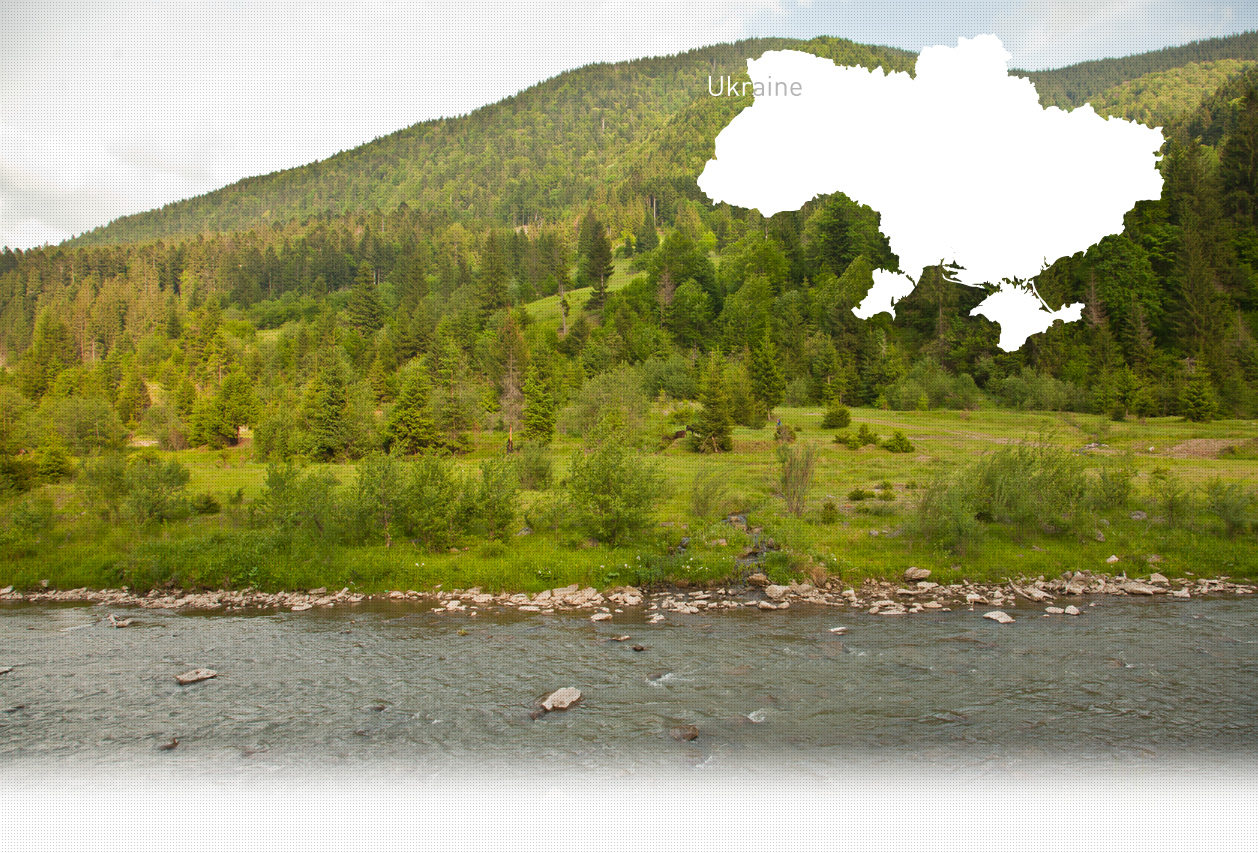
Krasnoselivka is a rural settlement located in the Zaporizhzhia region of southeastern Ukraine, situated in the Polohy district. The village lies approximately 12 km (7.5 mi) southwest of Novozlatopol and 25 km (15.5 mi) northeast of the city of Polohy.
Unlike the Soviet-era agricultural hamlets established in the late 1920s, Krasnoselivka was originally founded in 1848 as one of the original Tsarist-era 19th-century "mother colonies" (No. 3) for Jewish agricultural settlers in the Ekaterinoslav Governorate. The settlement was established as part of the Russian Imperial program to settle Jewish families on state agricultural land, receiving the Yiddish vernacular name Driternumer ("Number Three") alongside its official designation. As an older Tsarist-era colony, Krasnoselivka developed a permanent communal and religious infrastructure throughout the second half of the 19th century and early 20th century. Historical records indicate that prior to the 1917 Revolution, the colony maintained a synagogue, a Jewish cemetery, and traditional elementary educational structures (Cheders).
During the 1920s and 1930s, under Soviet rule, the settlement was reorganized into a collective farm (Kolkhoz) and integrated into the Novozlatopol Jewish Autonomous District created in 1929. Under Soviet secularization campaigns, traditional religious institutions were officially closed or repurposed for secular civic use.
On the eve of the Second World War, demographic surveys and census records reflect that Krasnoselivka retained a substantial, predominantly Jewish agricultural population, estimated at approximately 300 to 500 Jewish residents.
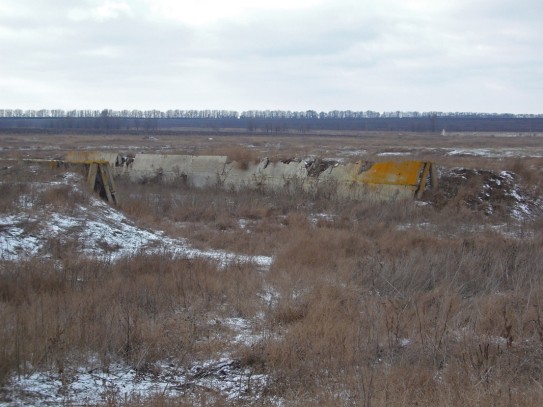
Krasnoselivka was occupied by German forces in early October 1941. Shortly thereafter, 113 local Jewish residents, members of the Rosa Luxemburg kolkhoz (collective farm) who had been unable to evacuate, were rounded up and forced to march to a silo pit belonging to the collective farm to be shot. While the witness Viacheslav T., born in 1936, refers to these events as taking place in the autumn of 1942, archival records and local historical data confirm that the occupation and subsequent shooting occurred in October 1941 (or November 1941, according to some sources).
According to eyewitnesses of the massacre, the victims were predominantly women, the elderly, and at least 18 children, as most Jewish men were serving at the front. Lined up before the silo pit without being stripped of their clothes, the victims were shot with automatic weapons by German forces, assisted by auxiliary police unit. After the shooting, local men were requisitioned to fill in the pit.
Viacheslav T. recalled that a partial exhumation took place during the 1950s, following the liberation of the village. Jewish men who had returned from the front were able to identify personal belongings of their family members during the exhumation process. A portion of the victims’ remains was reburied in the village cemetery. In 2006, a second exhumation was carried out, and a commemorative plaque was installed over the mass grave at the cemetery. Viacheslav T. noted that due to the advanced state of decomposition, a portion of the bodies remains within the original killing site in the silo pit to this day. There is no memorial at the site.
¿Tiene información adicional con respecto a un pueblo que le gustaría compartir con Yahad?
Por favor contáctenos a contact@yahadinunum.org
o llamando a Yahad – In Unum at +33 (0) 1 53 20 13 17