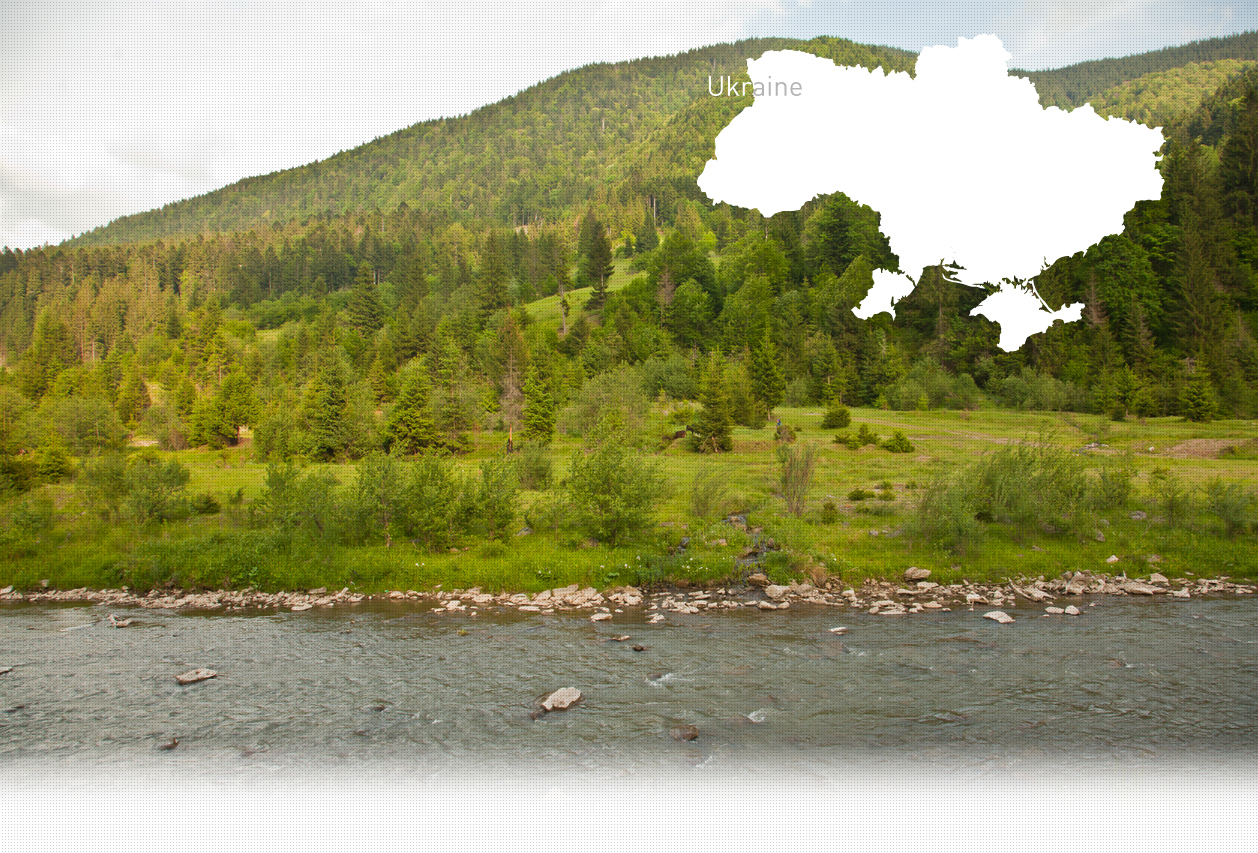
Kolosivka (Kolosovka) | Mykolaiv

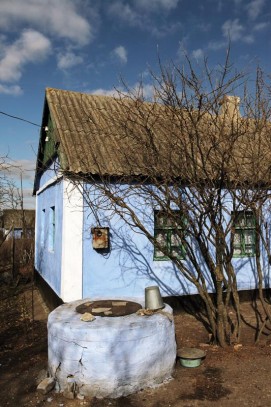
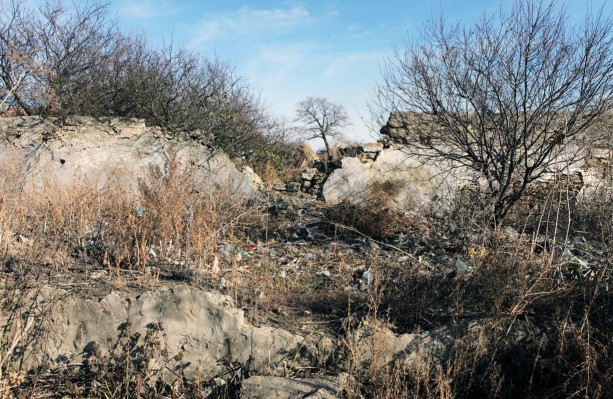
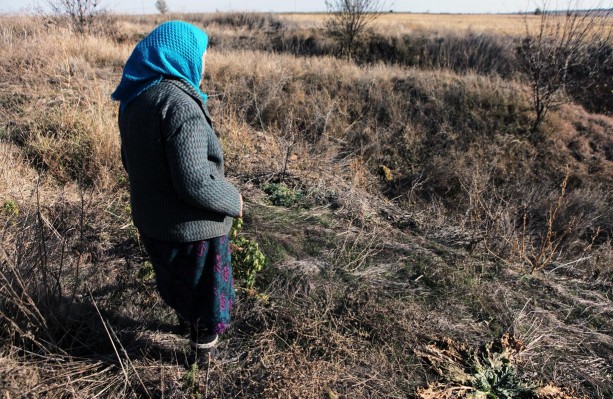
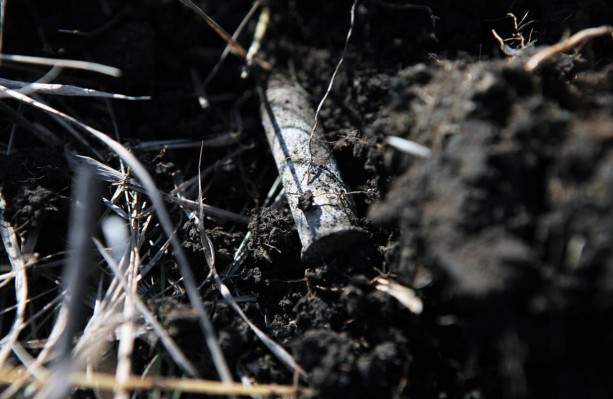
Mykhailo S., born in 1923: “I saw trains filled with Jews arriving at the Kolosivka station every week. There were many women and children. Then trucks would come to take them away to other locations, where they were shot.” ©Markel Redondo/Yahad - In Unum Kolosivka railway station served as a transit point for deportation trains from Odesa. Jewish deportees were unloaded and sent to nearby villages, as Kolosivka and Mostove, where they were held before being killed. ©Markel Redondo/Yahad - In Unum Feodosia, born in 1926: “I saw several hundred Jewish men, women, and children escorted on foot by Romanian soldiers arrive here. They were confined for about two weeks in a stable and then shot.” ©Markel Redondo/Yahad - In Unum Serhii S., born in 1936: “My grandmother lived near the stable. When the Jews were taken there, my friends and I went to see it. There was dry blood on the floor. It was obvious that the Jews had been beaten and abused.” ©Yahad - In Unum Feodosia, born in 1926, showed the Yahad team the ruins of the collective farm stable where several hundred Jews, including men, women, and children, were held in winter 1942 before being shot. ©Markel Redondo/Yahad - In Unum The former location of the collective farm stable where 800 Jewish men, women, and children were held before being shot in February 1942. Today, an empty field. ©Markel Redondo/Yahad - In Unum Feodosia, born in 1926: “After the shooting, local villagers were requisitioned by the Romanian authorities to transport hemp to the ravine. The bodies of the Jewish victims were covered with it and burned.” ©Markel Redondo/Yahad - In Unum The killing site in the ravine near Kolosivka where 770 Jews were shot during the night of February 17, 1942. The following day, the victims' bodies were burned. ©Markel Redondo/Yahad - In Unum

Destruction of Jews in Kolosivka

1 Sitio(s) de ejecución

Tipo de lugar antes:
Ravine
Memoriales:
No
Período de ocupación:
1941-1944
Número de víctimas:
770

Entrevista del testigo

Feodosia, born in 1926: "One day, while it was still cold, I saw a very large column of Jews being brought into the village. There were men, women, and children. They were locked in a collective farm stable, and the Romanians requisitioned the collective farmers to bring hay for the Jews to sleep on. During the day, we were allowed to bring them food. Since it was cold, I went there every day with hot meal - soup and tea. I did not give it to anyone in particular. I distributed it to everyone until there was nothing left. The Jews stayed there for about two weeks. Then, one evening, they were taken to the ravine and shot." (Testimony N°YIU1290U, interviewed in Kolosivka, on November 08, 2011)

Archivos soviéticos

" […] At the end of January 1942, a transport of 800 Jews was brought to the village of Kolosovka [today Kolosivka]. They were housed in cold sheds under miserable conditions. 30 people escaped and the remaining 770 people were shot during the night of 17 February. The shooting was carried out by 12 Germans, three of whose surnames are known: Bauman, Kanz, and Bilon.

Groups of half-naked women, elderly people, and children were led out to be killed. The Germans fired into each group, so that many of those who were only wounded died later in the ravine.

The ravine in which the execution took place is located approximately 250 meters southeast of the village of Kolosovka, Mostovsky District, on a small rise.

After the execution, on 18 February, hemp was brought to the ravine. During the night of 18 February, the bodies were set on fire.

The bodies of the civilians burned for three nights, causing such a stench of burning that the air in the village became almost impossible to breathe. The Germans took the looted property away with them. […] " [Act n°18 drawn by State Extraordinary Soviet Commission (ChGK), on November 18, 1944, p.15; GARF 7021-69-79/Copy USHMMRG.22-002M]

Nota histórica

Kolosivka was a small rural settlement in the former Mostove district of Odesa Oblast (today in Voznesensk district, Mykolaiv Region), located approximately 30 km (19 mi) southwest of Voznesensk.

The village was established in the late 19th century as an agricultural settlement. Its economy was based primarily on farming, and, like many villages in southern Ukraine, it was incorporated into the Soviet system of collective agriculture during the 1930s.

Unlike nearby towns such as Mostove or Voznesensk, Kolosivka did not constitute a significant center of Jewish life. No reliable demographic data is available regarding the Jewish population of Kolosivka before 1941. It is therefore likely that, if any Jews lived in the village before the German invasion of the Soviet Union in June 1941, they represented only a very small number of residents.

Holocausto por balas en cifras

After the outbreak of the Operation Barbarossa, Kolosivka was occupied by German troops before being transferred under Romanian authority.

It is important to distinguish between the village of Kolosivka and the Kolosivka railway station. Although they bear the same name, the railway station is actually located in the neighboring village of Kudryavtsivka, approximately 9 km from Kolosivka. During the German occupation, the station served as a transit point for deportation trains arriving mainly from Odesa. Jewish deportees unloaded there were subsequently distributed among several nearby villages, including Kolosivka itself, Mostove, and Pavlivka, where they were temporarily confined before being killed or transferred elsewhere. Mykhailo S., born in 1923, who worked at the Kolosivka railway station, witnessed numerous freight trains carrying Jewish deportees, some of whom managed to escape by breaking holes in the wooden wagons.

According to Soviet archival records, approximately 800 Jews were brought to Kolosivka at the end of January 1942 and confined in cold farm buildings under extremely poor conditions. Thirty prisoners escaped, while the remaining 770 were shot during the night of 16–17 February 1942. This information is corroborated by the testimony of Yahad witness Feodosia, born in 1926, who described the arrival of a group of several hundred Jewish men, women, and children escorted on foot by Romanian soldiers. According to her account, they were confined for approximately two weeks in a former collective farm stable, where local inhabitants were permitted to bring them straw and food, either as charity or in exchange for clothing. Serhii S., born in 1936, described the stable as “a large building about 30 meters long.”

According to Feodosia’s testimony, German soldiers later arrived and escorted the prisoners on foot through the village to a ravine on its outskirts, where they were shot with machine guns. Afterwards, local residents were requisitioned to bring hemp from the neighbouring village of Kudryavtsivka, which was spread over the bodies before they were set on fire. After the Jews had been taken away to be shot, Serhii S. and his friends went inside the stable. The floor was covered with dried blood, bearing witness to the abuse the Jews had suffered. According to Serhii, the policemen had beaten them in an attempt to extort their gold.

Soviet archival records also document a second episode: the isolated killing of a young Jewish woman named Hania in April 1942 by Romanian gendarmes. According to the archives, she had been sheltered for about two weeks by a local resident before being summoned to the gendarmerie and killed the following morning. Feodosia's testimony may refer to the same victim. She recalled that a young Jewish woman managed to escape shortly before the mass shooting but was found the following day by a policeman and shot.

To this day, the killing site in Kolosivka remains unmarked, with no memorial commemorating the victims.

Otros enlaces

Pueblos cercanos

  • Tokarivka
  • Bondarivka
Para apoyar el trabajo de Yahad-in Unum por favor considere hacer una donación

¿Tiene información adicional con respecto a un pueblo que le gustaría compartir con Yahad?

Por favor contáctenos a contact@yahadinunum.org
o llamando a Yahad – In Unum at +33 (0) 1 53 20 13 17