



1 Killing site(s)
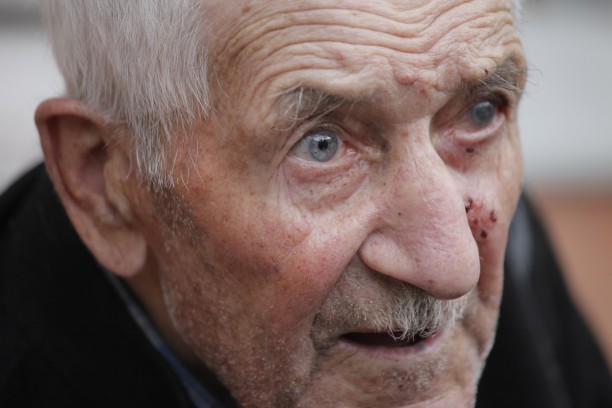
Oleksa M., born in 1921: "Jews from Transcarpathia and Hungary were brought to Vyshkiv. Hungarian soldiers escorted them to the border, after which German soldiers took over. These columns passed through fairly regularly and consisted of groups of twenty or thirty people, including men, women, and children.
German soldiers went from house to house, forcing local inhabitants to dig the pits. A border guard who spoke Polish accompanied them and served as an interpreter. They said that anyone who refused to dig or to fill in the pits afterward would be shot.
The Jews arrived in Vyshkiv, spent the night in an empty house, and were shot the following day. Near the pit there were only three Germans. Only one of them fired—he was their leader. People wondered why the Jews did not attack the Germans. The Jews were brought one by one to the edge of the pit and killed. In the first pit, they were shot fully clothed. Later, I believe the Germans realized that the Jews were hiding gold in their clothing, because in the second pit the Jews were shot naked. The second pit had been dug later, prior to the second shooting.
Personally, I witnessed two shootings. The pits were located on a hill, and we watched from below, from the road. It seems to me that this took place in 1942 or 1943; the weather was good." (Testimony N°YIU1815U, interviewed in Myslivka, on August 30, 2013)
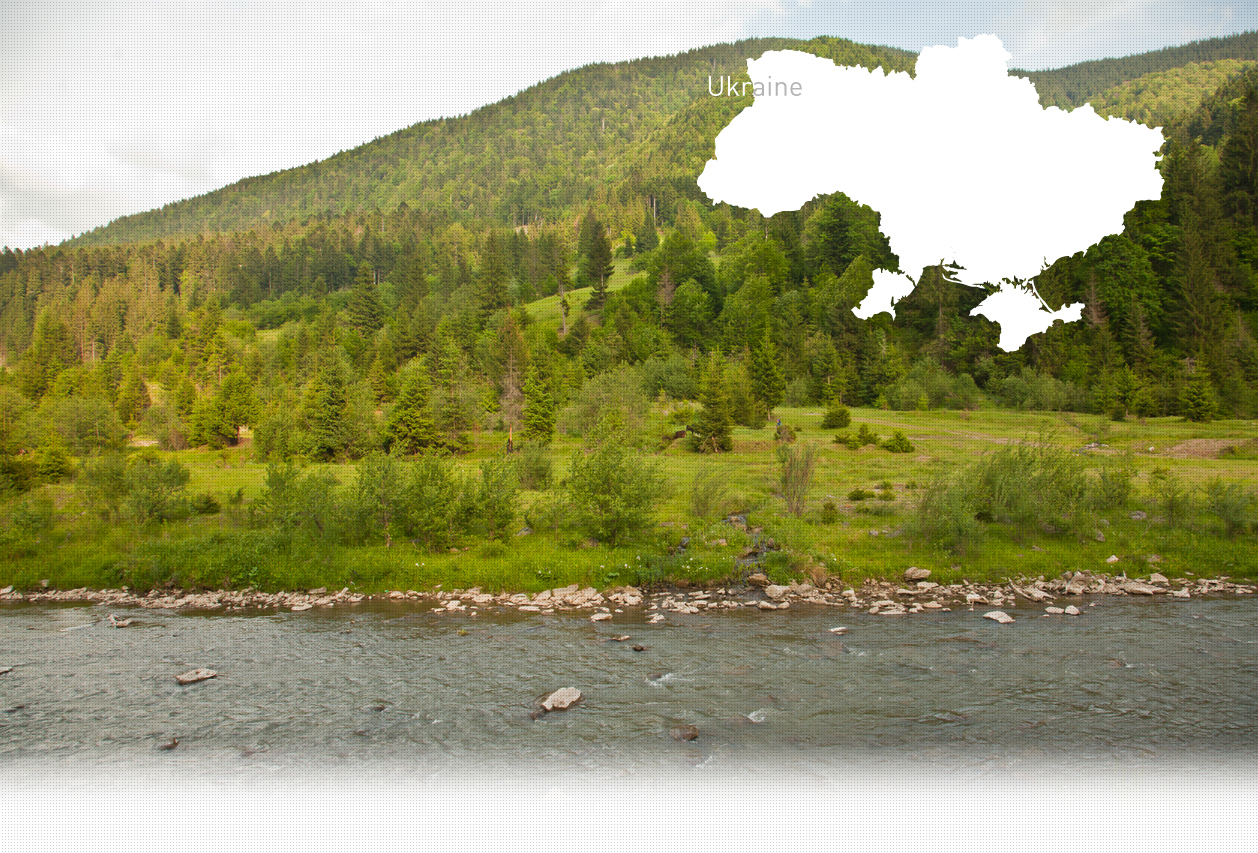
Vyshkiv is a village located east of the Ivano-Frankivsk region, just 4 km (2.5mi) from the border with the Transcarpathian region.
Vyshkiv underwent several changes of political sovereignty. It initially belonged to the Kingdom of Poland and became part of the Austro-Hungarian Empire until 1918. Following the collapse of Austria-Hungary, the area was briefly claimed by the West Ukrainian People’s Republic, before being incorporated into the Second Polish Republic between 1919 and 1939. In September 1939, Vyshkiv was annexed by the Soviet Union and integrated into the Ukrainian Soviet Socialist Republic.
According to Ethnic Groups of Southwestern Ukraine, in 1939, the village had a population of 690, including 40 Jews. According to the Yahad-In Unum witness Oleksa M., born in 1921, there weren’t many Jews in Vyshkiv; he remembers six families, all merchants.
From July 1941 to July 1944, Vyshkiv was under German occupation as part of Distrikt Galizien within the General Government. Its position near a regional border strongly influenced local conditions: while the Ivano-Frankivsk region was under German rule, neighboring Transcarpathia remained under Hungarian administration. Witnesses on both sides of the border report the presence of local smugglers who guided Jews from German-occupied territory to the Hungarian zone, initially perceived as relatively safer.
Following Germany’s invasion of Hungary in March 1944, the Hungarian Jews were concentrated in several ghettos across Transcarpathia before being deported to Auschwitz in the spring and early summer of 1944. In addition, numerous Jews from Torun and surrounding area, including those who had gone into hiding after the initial deportations, were progressively captured and escorted in columns toward the German occupation border via the Torun Pass, where they were either shot in the mountainous area at the Torun Pass, or deported further onward, including to the settlement of Vyshkiv.
Halyna B. (born 1927) and Dmytro B. (born 1927), both natives of Torun, witnessed columns of Hungarian Jews, including men, women, and children, marched on foot through their village in all seasons. Upon arrival in Torun, the Jews were confined in the local synagogue, then the same night and the following day escorted to the border, handed over to German authorities, transported to the vicinity of Vyshkiv, and killed by firing squad in a wooded hill on the town’s outskirts. According to Dmytro B., the killing site became known as the ‘Jewish Ravine,’ and shootings there continued until 1944. Thus, in 1944, the Torun administration announced to Jews who had previously managed to hide that they could safely leave their hiding places, claiming that no further executions would occur. He remembers seeing young Jewish women return to the village singing and appearing confident; that same evening, however, the last Jews from Torun and neighboring villages were gathered in the synagogue, taken toward Vyshkiv, and shot.
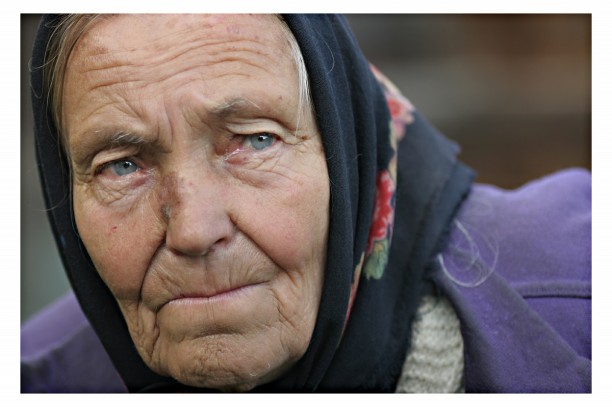
Further details are provided by Anna P. (born 1938) and Oleksa M. (born 1921), both natives of Vyshkiv. They repeatedly observed columns of twenty to thirty Hungarian Jews—men, women, and children—passing through Vyshkiv under German escort. Anna recalls that the soldiers beat them with whips. Two pits were dug on a small hill in the forest by local residents forced to do so by Germans. Oleksa remembers that German soldiers went from house to house, assisted by a border guard who served as an interpreter, compelling inhabitants to dig the pits and warning that refusal would be punished by death.
Upon arrival in Vyshkiv, the Jews spent the night in an empty house and were murdered the following day. Oleksa personally witnessed two shootings from the road below the hill and recalls that only three German soldiers were present, one of whom—apparently their leader—carried out the shooting. Victims were brought one by one to the edge of the pit and shot with a rifle. Watching secretly with her mother, Anna also witnessed the shootings, describing how adults were forced into the pit and shot, while children were thrown in and killed. Both witnesses agreed that during the first killings the victims were shot fully clothed, whereas during later shootings they were stripped naked, apparently after the Germans realized that valuables might have been hidden in their clothing. According to witness testimony, the number of Jewish victims may have reached as many as 500.
No reliable information exists regarding the fate of Vyshkiv’s small local Jewish community (40 Jews in 1939). According to Oleksa M., the few Jewish families from the village left for Dolyna at the very beginning of the war. It is possible that they were murdered there alongside local Jews during the German Aktions conducted in 1942.
For more information about the killings of Hungarian Jews in Torun, Torun Pass, and Lopushne, please follow the corresponding profiles.
Do you have additional information regarding a village that you would like to share with Yahad ?
Please contact us at contact@yahadinunum.org
or by calling Yahad – In Unum at +33 (0) 1 53 20 13 17