


1 Killing site(s)
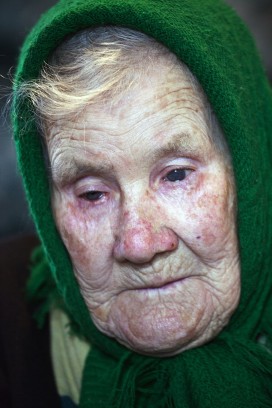
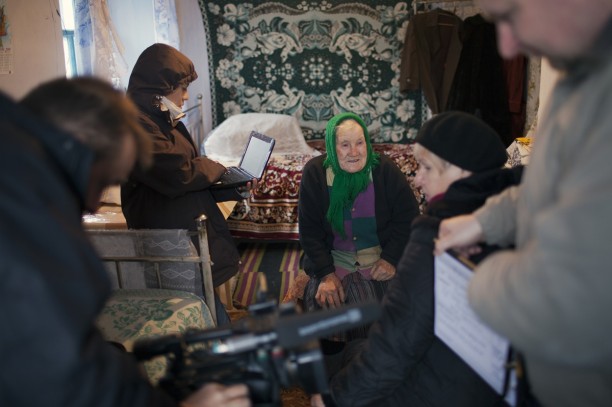
Maria K., born in 1927: "In 1932, we moved to the village of Slava, where there was a Jewish kolkhoz. It was just after the great famine, and people were looking for a better life. The head of the kolkhoz, a Jewish man, gave work to everyone. So in that kolkhoz, there were Jews, Ukrainians, German settlers, Roma—we all lived together, and we got along. When the war began, all the livestock had to be evacuated, and the brigade leader appointed young Germans to do it. When the village was occupied, the local Germans went to Domanivka to see the German authorities. After that, German soldiers came, arrested all the Jews and shot them. People in the village said that the settlers had informed on the Jews out of revenge against the Jewish brigade leader, who had sent their sons to evacuate the livestock." (Testimony N°YIU328 U, interviewed in Zhovtneve, on July 20, 2006)
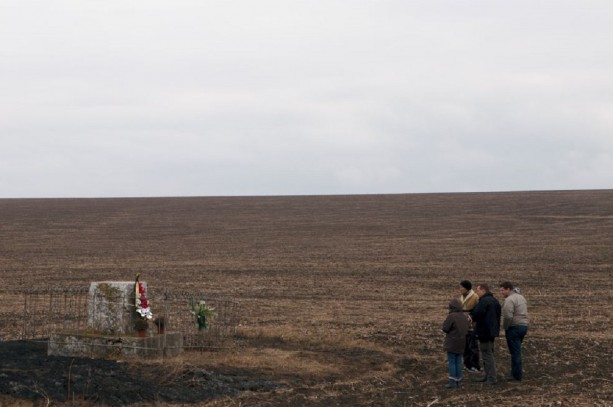
"[…] We, the undersigned, the commission of inquiry, […] conducted the questioning of local witnesses and established that on 29 August 1941, German SS gendarmes shot 24 persons, of whom 23 lived in the hamlet of Slava, and one woman whose name is unknown, from the town of Balta. On 27 August 1941, two German Gendarmes arrived in the hamlet of Slava, summoned all the Jews, ordered them to bring all their belongings into the courtyard of the kolkhoz and they were grouped in one house. On 29 August at noon, the two Germans returned and ordered the village starosta [village chief], Trautman (?), a German, to prepare a pit for 24 persons and at 5 in the evening they carried out the execution using submachine guns. The place of the execution is located to the south of the hamlet of Slava, at the boundary of the lands of the kolkhoz ‘Nay Lebn’ and the village of Moldavka, at the right angle of the cultivated sector, at 5 m, in an abandoned well that had been dug. […]" [Act n°5 drawn by State Extraordinary Soviet Commission (ChGK), on October 23, 1944, p.13; GARF 7021-69-79/Copy USHMMRG.22-002M]
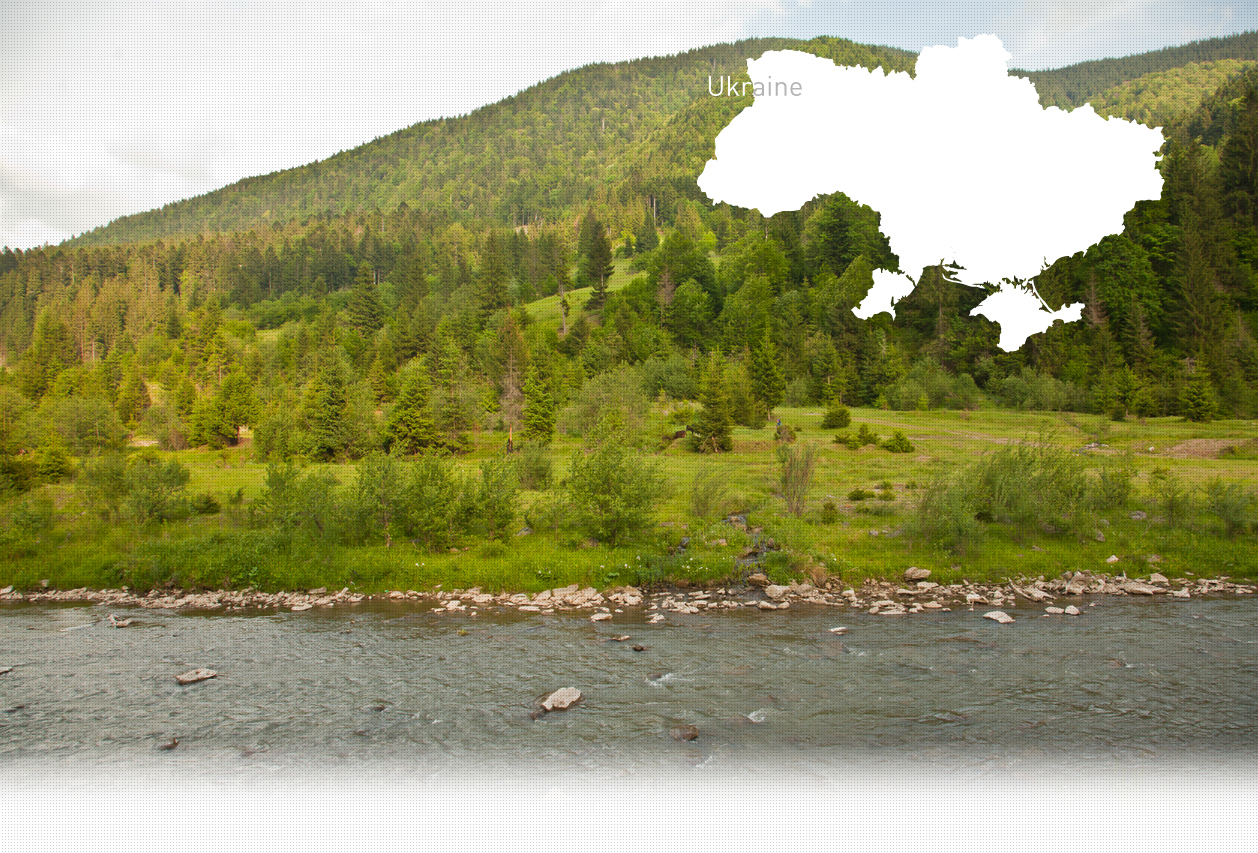
Slava was a small rural hamlet located in the Voznesensk district of the Mykolaiv region, approximately 25 km (16 mi) from Voznesensk. It was likely established in the 1920s in the context of Soviet agricultural expansion. During the interwar period, Slava functioned as a Jewish kolkhoz ‘Nay Lebn’ (New Life), although its population was multiethnic, including Jews, Ukrainians, Russians, Germans, and Roma. This diversity reflected broader post-famine settlement dynamics, as local authorities accepted settlers of various backgrounds and provided them with employment.
The hamlet ceased to exist as an independent settlement after the Second World War, in 1945, after the majority of its population, the Jews, had been decimated and the German settlers had left with the German forces. The territory was later incorporated into the nearby village of Novokantakuzivka.
The hamlet of Slava was occupied by German troops in mid-August 1941. As these lands were being transferred to the administration of the Romanian authorities, in August–September 1941 German Einsatzgruppen ‘D’ operational units thoroughly "combed through" the lands of the western Bug region killing the local Jews whom they were able to identify. German documents indicate that Einsatzkommando 12 operated in Slava and the surrounding villages.
According to regional Holocaust documentation based on German operational reports and postwar investigations, on August 29, 1941, 24 Jews, including seven children aged between 0 and 6, were shot and thrown into a well in the former hamlet of Slava.
These data are corroborated by the testimony of Maria K., born in 1927, who stated that 26 local Jews, residents of the hamlet of Slava and workers in the village’s Jewish kolkhoz, were shot by German soldiers with the assistance of local ethnic German colonists shortly after the beginning of the occupation. According to her account, the Jews were first gathered in an isolated house at the edge of the village, where they were held under guard overnight. The following day, they were taken to an abandoned, sand-filled well located approximately 3 km from the village, where they were shot and thrown inside.
Yulia K., born in 1926 in the nearby village of Kozubivka (former Moldavka), also confirmed these events. The same information is further supported by a local historian, who dates the events to October 28, 1941.
According to Maria K., after the shooting of local Jews, a group of Jews from Domanivka was transferred to Slava. These individuals were sheltered by local residents and performed labor in the local kolkhoz until the arrival of the Soviet army.
Do you have additional information regarding a village that you would like to share with Yahad ?
Please contact us at contact@yahadinunum.org
or by calling Yahad – In Unum at +33 (0) 1 53 20 13 17