1 Killing site(s)
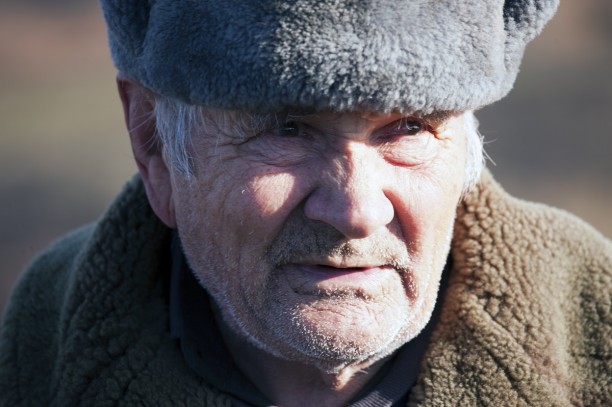
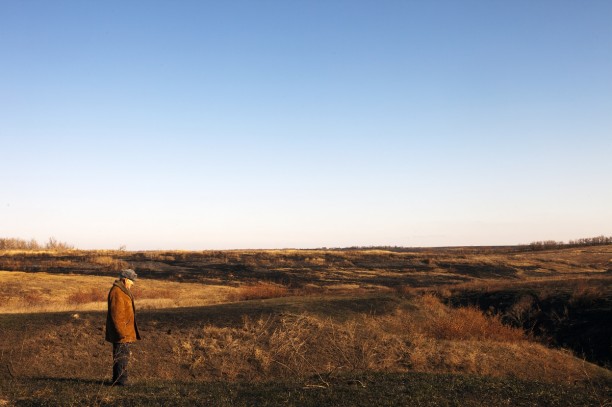
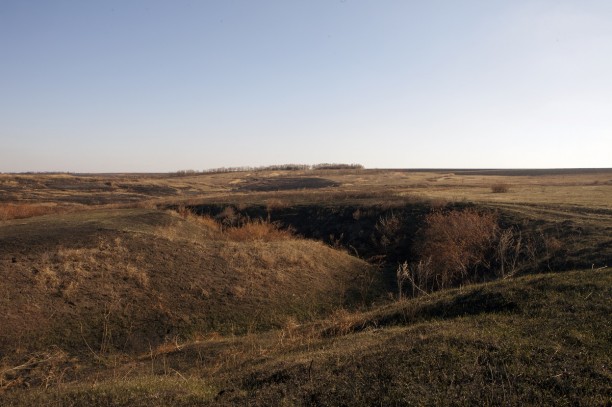
Volodymyr B., born in 1932: "My uncle lived in Krasne, and I often visited him there, especially to go dancing at the club. One day, in the summer, at least the weather was fine—I was returning home after visiting my uncle. As I approached the ravine, I saw a group of people, men, women, and children, being shot. There were more than 80 of them, in my estimation. Half were lined up in front of the pit and shot by German soldiers in greenish uniforms, while the other half were waiting their turn a short distance away. Suddenly, three policemen saw me and began running toward me, shouting "Weg!". I became frightened and returned to my uncle’s house. I also saw a second, much larger column of Jews being brought along the main street; they were crying." (Testimony N°YIU1325U, interviewed in Frunze, on November 17, 2011)
Krasne was a small rural settlement in the Mykolaiv region, situated between the villages of Syla and Novooleksiivka, approximately 15 km (9.3 mi) northwest of Domanivka. It functioned primarily as an agricultural community and ceased to exist toward the end of the 20th century, largely as a result of rural depopulation driven by the outmigration of younger generations to urban areas.
There is no reliable prewar evidence of a Jewish presence in the village. In the district as a whole, the Jewish population was very small. According to the 1925 census, there were only 398 Jews living across 24 villages, comprising 1.5% of the total population.
Krasne was occupied by German troops in August 1941 and subsequently transferred under Romanian authority.
Volodymyr B., born in 1932, recalls the arrival of a column of Jews coming from the direction of Domanivka toward Krasne. The column was divided into two groups. Approximately 80 individuals or more, including men, women, and children, were taken to the ravine at Krasne, where they were shot by more than a dozen Germans in greenish uniforms, assisted by local policemen, some of whom originated from Domanivka. Some of these policemen spoke German and were likely Volksdeutsche from nearby German colonies. Volodymyr also observed policemen removing jewelry from the victims. The remainder of the column, considerably larger in size, continued northward out of the village; Volodymyr does not know their subsequent fate.
He further recalls that the shooting took place during the warm season, as the odor of decomposing bodies following the massacre was overwhelming, prompting local inhabitants to bring manure from nearby stables in an attempt to cover the victims’ remains. As for today, no memorial marks the location of the pit.
Do you have additional information regarding a village that you would like to share with Yahad ?
Please contact us at contact@yahadinunum.org
or by calling Yahad – In Unum at +33 (0) 1 53 20 13 17