
_835_924.jpg)
1 Killing site(s)
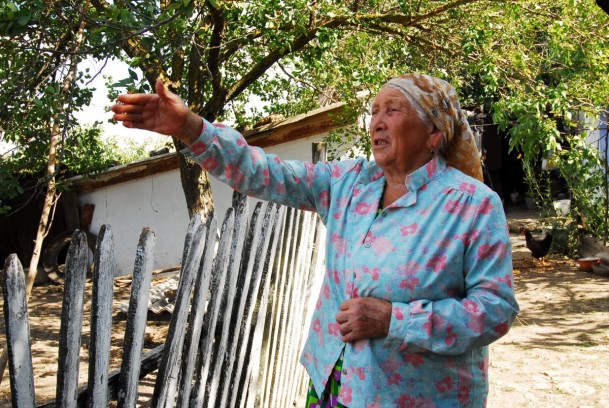
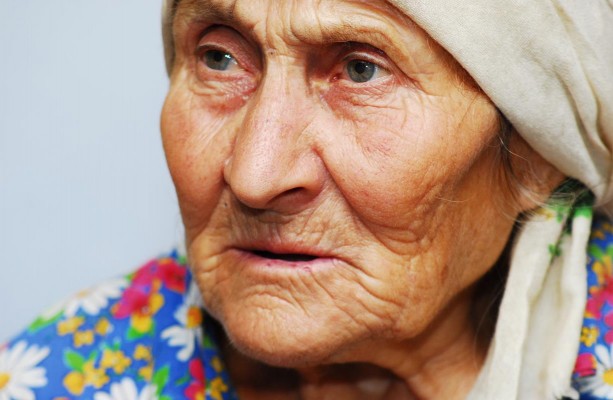
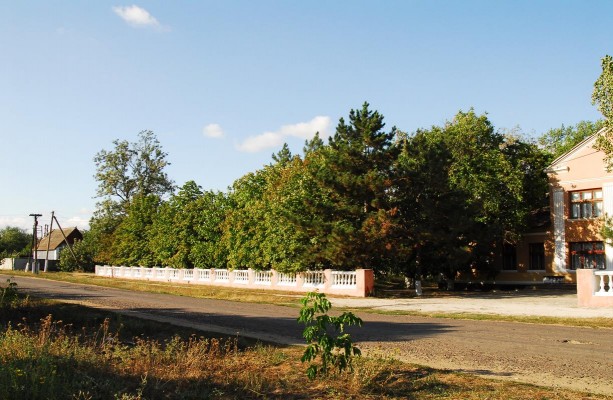
Raisa Sh., born in 1932: "In the winter, the Jews were brought to our village. They were housed with local inhabitants. Because we had such a large family, only one elderly Jewish man was placed in our home. In early spring, the Jews were taken behind the orchard and shot in an anti-tank ditch that had been dug before the war. Driven by curiosity, we went there after the execution to see what had happened. The pit had not been covered yet, so the bodies were visible. I know that later, perhaps even that same night, the bodies were burned." (Testimony N°YIU1573U, interviewed in Huliaivka, on August 13, 2012)
"On March 13, 1942, in the village of Gouliayevka [today Huliaivka], Soviet civilians displaced from Western Ukraine and the city of Odesa were shot. The execution took place northeast of the village of Gouliayevka, next to the public orchard, approximately 500 meters from the village, in an anti-tank ditch. Before the shooting, all civilians were gathered in a kolkhoz barn and, brought in groups of nearly 100–150, were shot from morning until evening. Prior to this, all clothing was removed from the victims. A group of 10 German colonists from Tartakai, led by a German officer, carried out the shooting with rifles and killed small children with the butts of their guns. In total, nearly 1,000 people were shot in one day; among them were infants, small children, women, and the elderly. The bodies of the victims, some of whom were only wounded, were covered with straw, doused with flammable liquid, and burned. Two weeks later, the bodies that had not burned began to decompose and were covered with earth. There were 530 children among them. After that, until the arrival of the Red Army, there were continuous executions—either isolated or in small groups—of people who had previously escaped execution and had been captured. Nearly 200 people were shot in this manner." [Act No. 18 drawn up by the Extraordinary State Soviet Commission (ChGK), on October 10, 1944, in the village of Gouliayevka [today Huliaivka], Berezovka district, Odesa region; Copy USHMM RG.22-002M, Reel 6 (29), p.37]
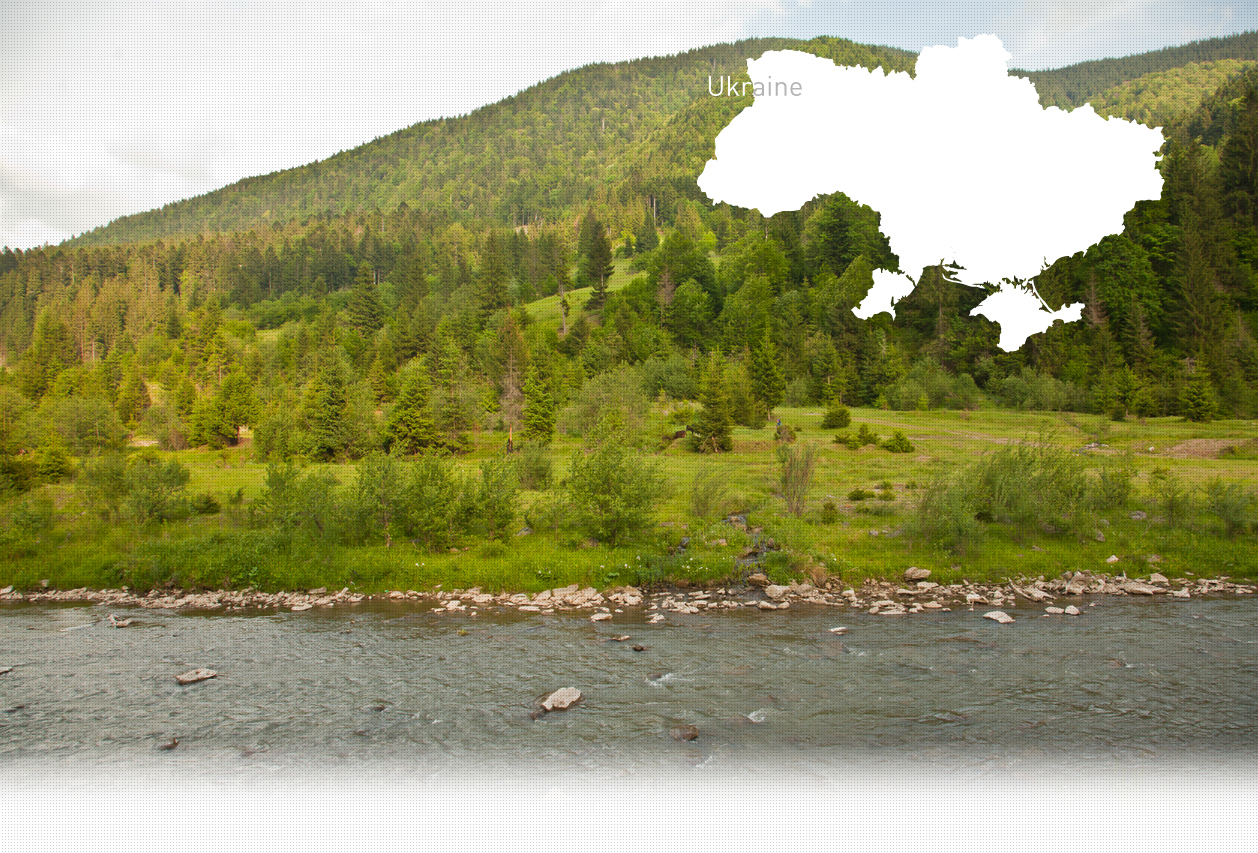
Huliaivka, located in the Berezivka district of Odesa Oblast, lies approximately 91 km (56.5 mi) northeast of Odesa.
In the 19th century, the area formed part of the Kherson Governorate of the Russian Empire and was included in the zone of Jewish agricultural colonization established by the tsarist authorities. The Berezivka district was also characterized by a significant presence of ethnic German settlers (Volksdeutsche).
Following the Revolution, the region became part of the Ukrainian Soviet Socialist Republic. Although several Jewish agricultural colonies existed in the wider Berezivka area, available census data indicate that Huliaivka itself did not have a Jewish population prior to the Second World War.
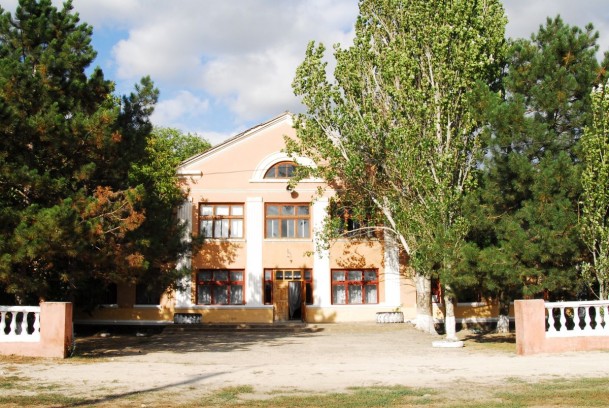
Huliaivka was occupied by German forces in the summer of 1941 and, in August 1941, was transferred to the Romanian civilian administration as part of the Transnistria Governorate. A new administration was established shortly afterward, including the Romanian gendarmerie, whose members were stationed in the hospital building, and a local auxiliary police force.
In the beginning of 1942, in winter, several hundred Jews, including men, women, children, and the elderly, were brought to Huliaivka. They had been deported from Odesa and, according to archival sources, also from Western Ukraine. According to local witnesses interviewed by Yahad-In Unum, upon arrival, the deportees were placed in the houses of local inhabitants and in other buildings, including the kolkhoz administrative building and a local community club.
On March 13, 1942, the Jews were assembled into a column and marched under guard toward an anti-tank ditch on the outskirts of Huliaivka for execution. The Aktion was carried out by a unit of German colonists, known as Volksdeutsche, from Tartakai under the supervision of a German officer. Upon arrival at the site, the victims were forced to undress to their underwear and align in groups along the edge of the ditch. They were shot facing the pit.
Following the shooting, the German colonists seized the victims’ property, money, and clothing. According to the Yahad-In Unum witness Liudmyla V., born in 1930, local policemen also participated in the looting and removed gold teeth from the victims. Subsequently, the bodies were doused with flammable liquid and set on fire, a process that lasted several days. Approximately two weeks later, they were buried using agricultural machinery.
While Soviet archival records state that nearly 1,000 Jews were murdered during the Aktion in a single day, information report of the inspector of the Gendarmerie in Transnistria records that 650 Jews were shot on March 13, 1942.
Isolated shootings of Jews who had initially escaped but were later discovered in hiding continued until the end of the occupation. According to Liudmyla V., born in 1930, three Jewish women were among the final victims killed before the arrival of the Red Army. Having been spared during the initial Aktion, they were detained by Romanian gendarmes at their headquarters before being taken away under the cover of night and murdered.
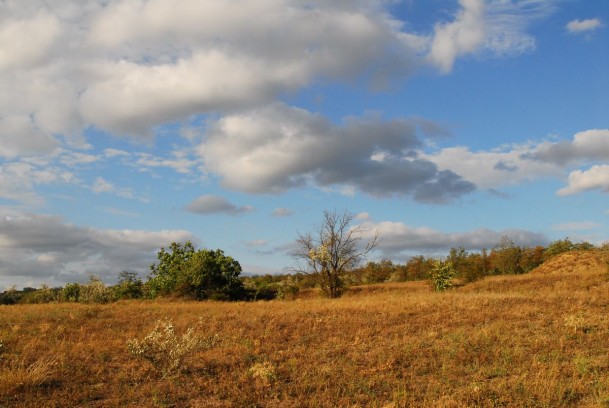
Today, the killing site in Huliaivka remains unmarked, and the victims have no formal place of commemoration.
Do you have additional information regarding a village that you would like to share with Yahad ?
Please contact us at contact@yahadinunum.org
or by calling Yahad – In Unum at +33 (0) 1 53 20 13 17