2 Sitio(s) de ejecución
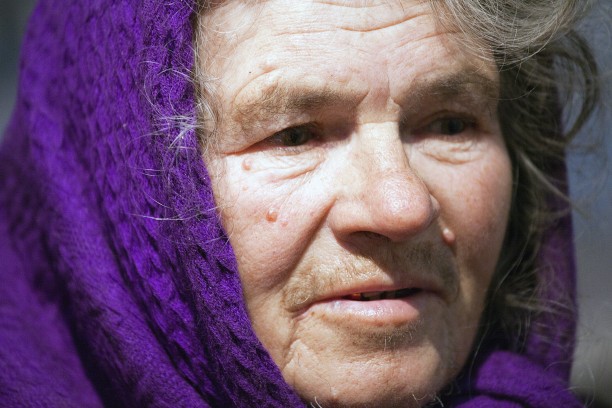
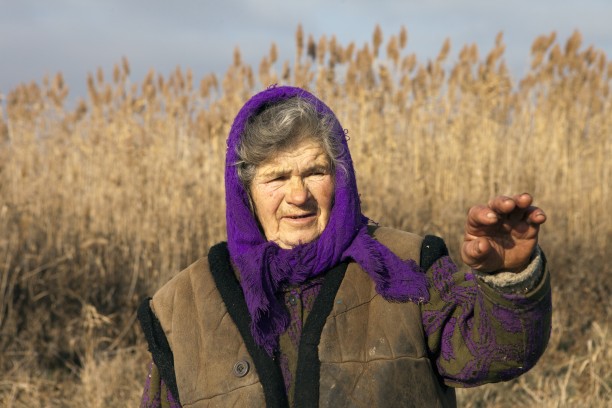
Lyubov P. born in 1935 : "Numerous columns passed through our village. They were groups of several dozen people consisting of entire families, including men, women, children, and the elderly. In general, they didn’t stop. However, at least one column did stop here, and were housed in the stable and guarded by German soldiers. They were brought during rainy weather, in autumn or spring. They stayed in the stable for about a week, unable to leave. People secretly threw them corn through the window. At least two of these Jewish people died of cold, though locals say there were four. No, there were definitely four. They were buried in the potato silo pit." (Testimony N°YIU1335U, interviewed in Zabary, on November 18, 2011)
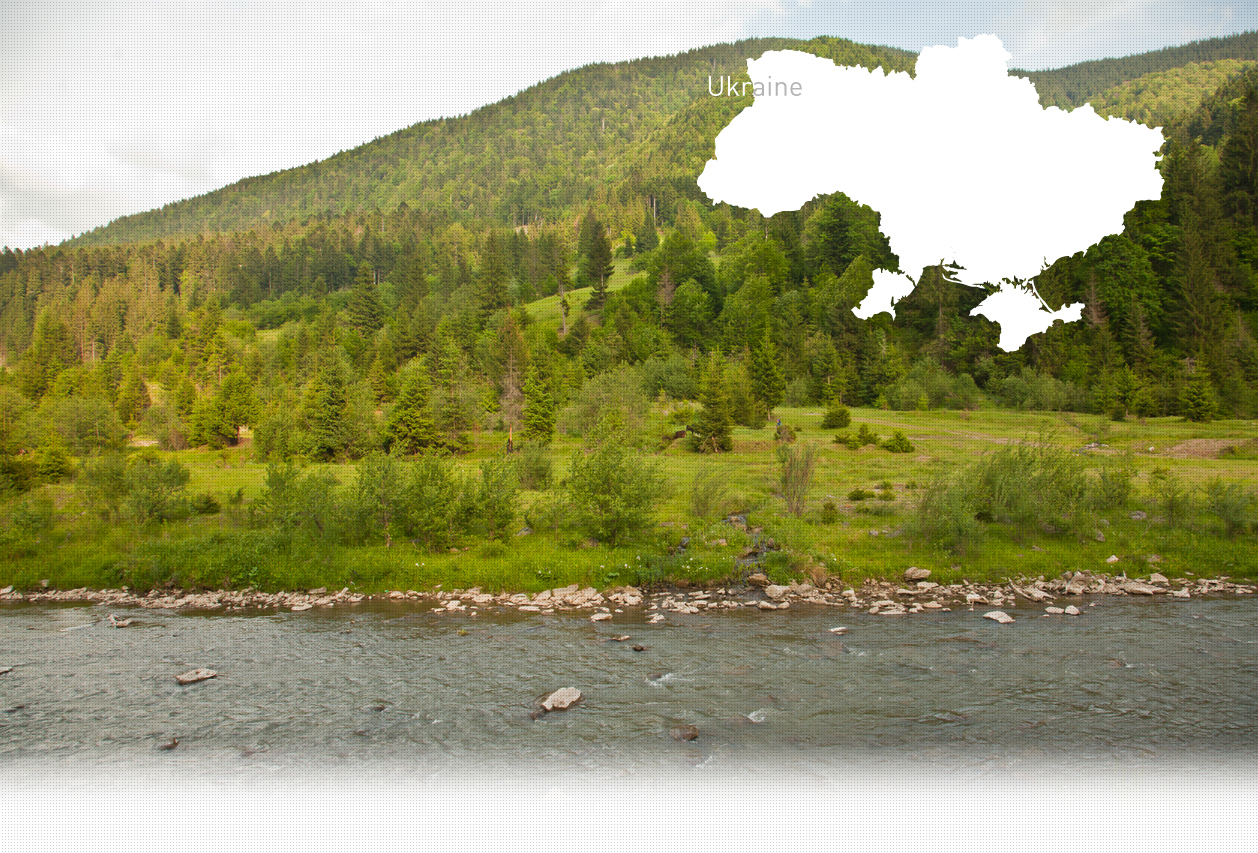
Zabary is a small village in the Voznesensk District of the Mykolaiv Region, located approximately 40 km (25 mi) from Voznesensk. According to a local witness interviewed by Yahad - In Unum, the village comprised approximately 70 households on the eve of the war. However, the testimony provided no information regarding the presence of a Jewish population among the local inhabitants.
Zabary was occupied by German troops in August 1941 and subsequently transferred under Romanian authority.
Situated along the strategic transit route leading toward the Domanivka and Bohdanivka camps, the village of Zabary served as a frequent passage point for columns of deported Jews during the Holocaust in Transnistria. According to the testimony of local witness Lyubov P., born in 1935, and interviewed by Yahad, columns containing dozens of deportees routinely passed through the village without stopping.
However, one autumn or spring, recalled by the witness for its rainy weather, a specific group of over thirty Jewish men, women, and children was brought to Zabary and confined in a local stable. The captives were held there for a week under strict military guard. Although the prisoners were forbidden from leaving the building, local villagers managed to pass basic sustenance, such as corn cobs, through the high windows. Due to the height of these windows, internal conditions remained largely unseen by the villagers. During this seven-day confinement, four detainees died. Their bodies were subsequently buried in a local potato storage silo pit. To date, no memorial marks this burial site.
After one week, the surviving Jews were marched out of the village under the pretext of being transported to Voznesensk. Instead, according to local villagers, the Jewish deportees were taken to a ravine adjacent to a well. According to Lyubov P.'s account, the victims were thrown into the well. The first group of victims drowned. However, after the displaced water level made drowning ineffective, the remaining victims were shot.
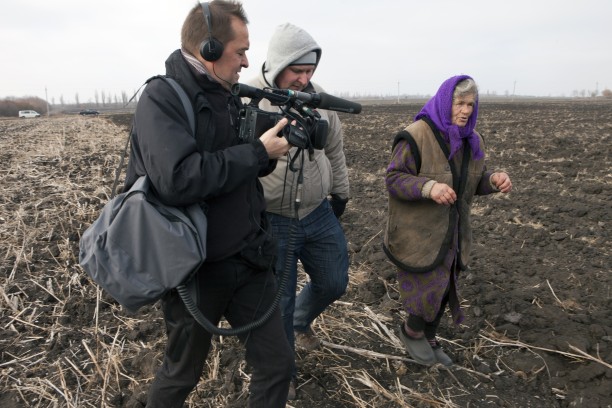
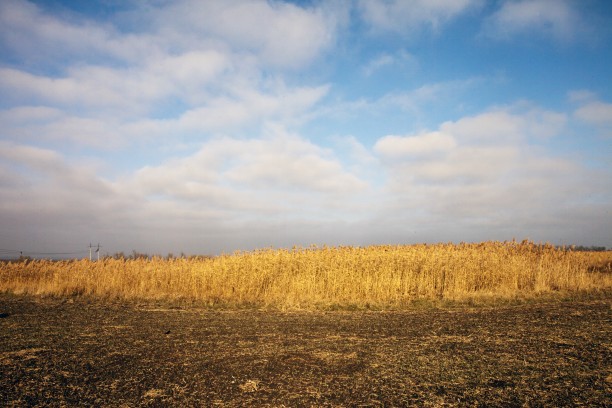
Today, this killing site remains without memorial. The location consists of an unplowed plot of land situated in the middle of an active agricultural field, leaving no physical marker of the pit.
¿Tiene información adicional con respecto a un pueblo que le gustaría compartir con Yahad?
Por favor contáctenos a contact@yahadinunum.org
o llamando a Yahad – In Unum at +33 (0) 1 53 20 13 17