
1 Sitio(s) de ejecución
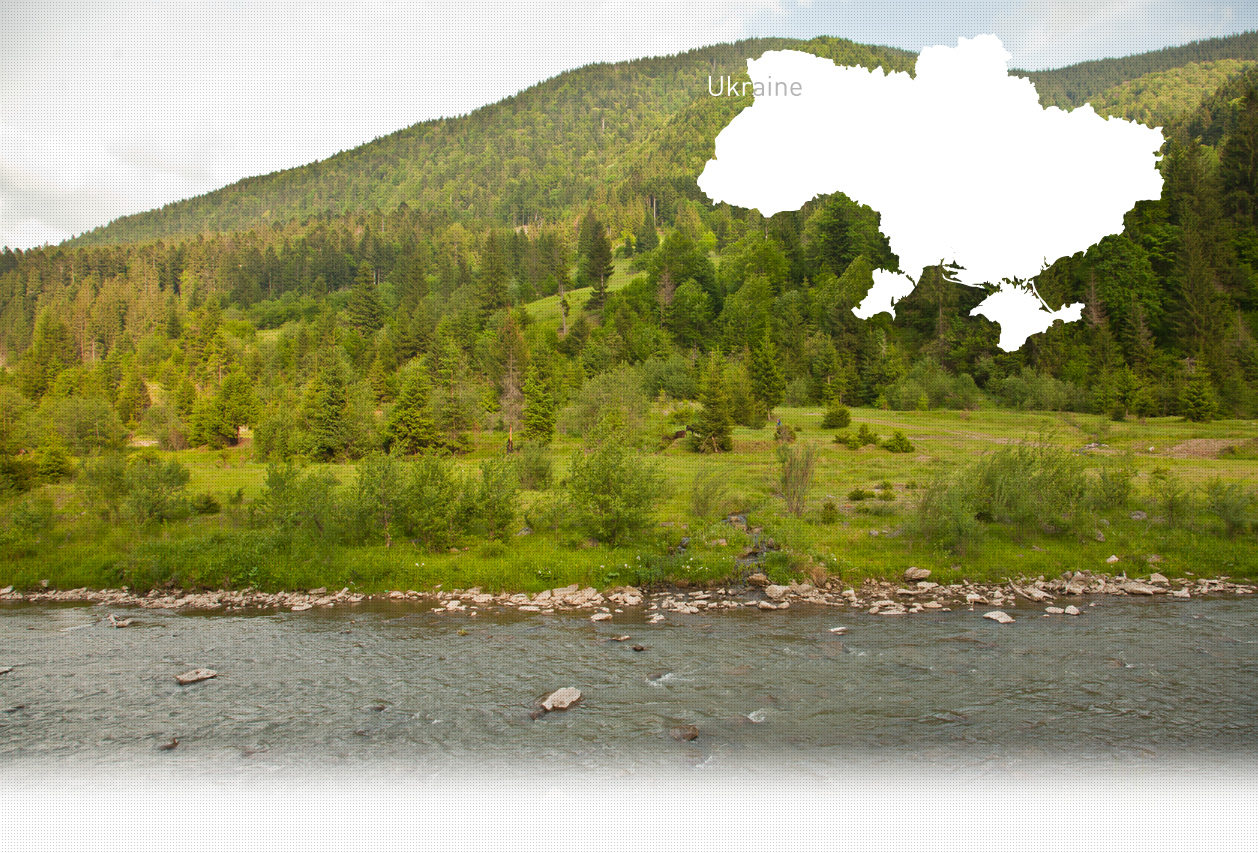
Demydivka is a village located in the Podilsk district of the Odesa Region, Ukraine. Officially founded in 1893, it lies approximately 8 km (5 mi) east of the former district center of Liubashivka and roughly 90 km (56 mi) east of Podilsk.
No reliable demographic records identifying the presence of a Jewish population in the village before the German invasion of the Soviet Union in June 1941 have been located. According to Maria M., a native of the village born in 1927, only one intermarried family resided there; the mother was Jewish and survived the war.
Demydivka was occupied by German and Romanian troops in the summer of 1941, before being placed under Romanian administration.
In the autumn of 1941, columns of Jewish deportees were forced through Demydivka by Romanian forces. They were temporarily held in barns on the outskirts of the village, near the road leading to Liubashivka, before being marched further to the camps in Bohdanivka or Domanivka. Many detainees died from starvation, disease, exhaustion, and severe weather conditions, while others were shot along the road. Requisitioned villagers were forced to transport the bodies to the kolkhoz (collective farm) livestock pits for burial. Weakened Jews unable to continue the march were thrown into the livestock pits while still alive, alongside those who had already died.
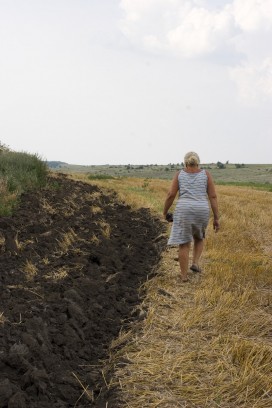
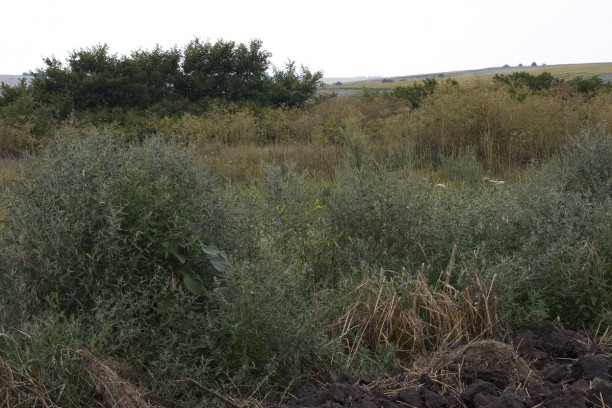
After the war, a number of victims bodies were exhumed and reburied in the local Orthodox cemetery. However, the remains in an advanced state of decomposition were left in the livestock pit, which currently lacks any protection or memorial marker.
The only Jewish man in the village and his children from a mixed marriage were arrested by Romanian soldiers and taken elsewhere and their fate remains unknown. The mother, who was Ukrainian, survived.
¿Tiene información adicional con respecto a un pueblo que le gustaría compartir con Yahad?
Por favor contáctenos a contact@yahadinunum.org
o llamando a Yahad – In Unum at +33 (0) 1 53 20 13 17